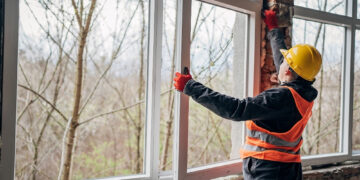


Upgrading your windows sounds straightforward until you start digging into the options. Maybe break-ins in your area have you on edge. Maybe you’re tired of windows that feel flimsy or outdated. Or maybe you just want peace of mind without turning your home into something that looks like a fortress. This is where security glass enters the conversation. Before you commit to buying one of these glasses, there are a few things you need to understand. Keep reading to find out what they are.

1. Not All “Security” Glass Is the Same
Here’s the thing most people don’t realize at first: security glass isn’t one single product. It’s more like a category. And within that category, the differences matter a lot. Some options are laminated, some are tempered, and some combine layers in ways that drastically change how the glass behaves when struck.
You might assume thicker automatically means stronger. Sometimes it does. Sometimes it doesn’t. Laminated glass, for example, sandwiches a tough plastic interlayer between panes. When it breaks, it cracks but stays in place. Tempered glass, on the other hand, shatters into small pieces designed to reduce injury. Both have benefits, but they solve different problems. If your main concern is forced entry, laminated glass tends to perform better. If safety from accidental breakage is the priority, tempered glass may be enough.
Here’s something you should be careful about. Just because a salesperson calls something “impact-resistant” or “reinforced” doesn’t mean it meets the level of protection you’re expecting. You have to ask what standard it’s tested against. Otherwise, you could pay extra for something that appears secure but doesn’t deliver when you need it to.
2. Security Glass Changes How Break-Ins Happen
Most people imagine security upgrades as a way to make break-ins impossible. Honestly, that’s not realistic. What security glass does is change the experience of breaking in. Burglars rely on speed, noise control, and surprise. When glass doesn’t immediately give way, those advantages disappear fast.
Think about it. A standard window might shatter with one hit. Security glass can take multiple strikes and still stay intact. That delay matters a lot. Even an extra 30 seconds can be enough to make someone give up, especially if the noise is drawing attention. So, security windows make your home a risky target.
That said, you shouldn’t expect miracles. If you upgrade the glass but leave weak frames, old locks, or exposed access points elsewhere, the overall protection will drop. Security glass works best as part of a system, not a standalone fix.
3. Appearance and Comfort Are Important
A lot of homeowners hesitate because they picture bulky, industrial-looking windows. You know, something better suited for a warehouse than a living room. The good news? That stereotype is outdated. Modern security glass can look nearly identical to standard residential glass. Clear, clean, and low-profile.
However, some security glass options slightly reduce visible light or add a subtle tint. Others may affect glare or reflections. These changes aren’t necessarily bad, but you should know about them upfront so you’re not surprised later. After all, you live there. You look through those windows every day.
There’s also the comfort factor. Many security glass products improve insulation and noise reduction. That means fewer drafts, less street noise, and sometimes even lower energy bills. It’s not guaranteed, but it’s common enough to be worth considering.
Summing Up
Upgrading your windows with security glass is a smart decision. However, don’t assume all security glass offers the same protection. Don’t expect it to solve every security concern by itself. Pay attention to how it will affect your home’s look and feel. And most importantly, understand the true cost before committing. When you approach the upgrade with clear expectations instead of marketing promises, you’re far more likely to end up satisfied.