


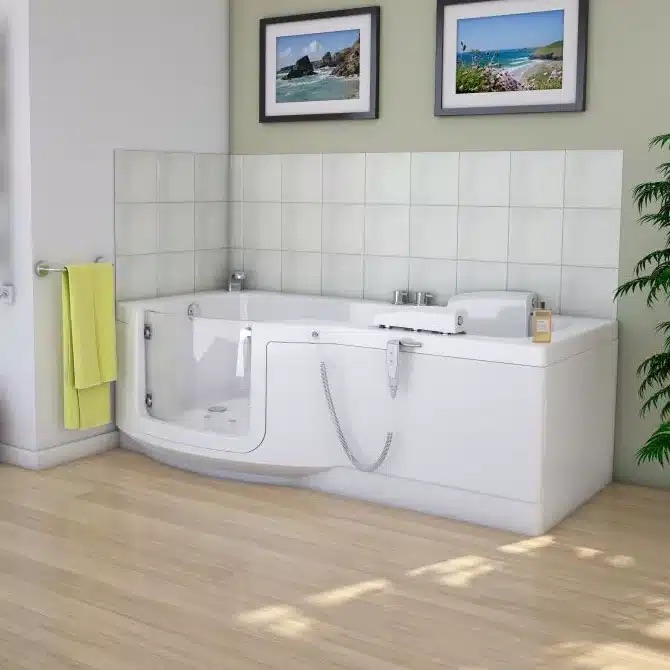
 Walk-in baths are a fantastic investment for safety, comfort, and accessibility. But like any fixture in your home, they need regular care to stay in top shape. Proper maintenance ensures your walk-in bath remains functional, hygienic, and visually appealing for years to come.
In this guide, we’ll share practical tips for keeping your walk-in bath in perfect condition, from daily cleaning habits to long-term care strategies.
Rinse and Wipe Down After Every Use
The simplest maintenance routine starts immediately after using your walk-in bath. Once the water has fully drained, thoroughly rinse the tub with clean, warm water to help wash away soap scum, bath oils, and residue before they have a chance to settle on the surface.
After rinsing, grab a soft microfiber cloth and wipe down the tub’s interior. Pay attention to corners and any grooves around the door seal. Regular wiping prevents water spots, limescale build-up, and mildew.
Use Non-abrasive Cleaners Biweekly
A deeper clean every two weeks will keep your walk-in bath looking spotless and performing well. Interestingly, a recent survey found 54% of women and 39% of men clean their bathtubs at least every two weeks.
When it’s time for a deeper clean, reach for a non-abrasive, pH-neutral cleaner specifically designed for bathroom surfaces. Spray it evenly across the tub and let it sit for a few minutes to break down soap scum and residue. Then, gently wipe it away with a soft cloth or sponge to avoid scratching the surface.
Keep an Eye on Seals and Waterproofing
The watertight seals on your walk-in bath are essential for preventing leaks and water damage. Over time, seals can dry out, crack, or become loose, especially around the door and along the tub’s edges.
Inspect these seals regularly for signs of wear, peeling, or discoloration. Even a tiny gap in the seal can allow water to escape onto your bathroom floor, causing damage.
If you notice any damage, address it immediately. Minor issues can often be fixed with a waterproof silicone sealant, but more significant problems may require professional assistance.
Check the Drain Regularly
Blocked drains can quickly turn your relaxing bath into a frustrating experience — and over time, soap scum, hair, and other debris can build up and cause blockages.
Make it a habit to check the drain regularly. Remove any visible debris and, if necessary, use a mild drain cleaner specifically formulated for bathtubs. Avoid harsh chemical cleaners, as they can corrode pipes and damage bath materials.
For hydrotherapy jets, follow the manufacturer’s cleaning instructions. Typically, this involves running warm water mixed with a jet-cleaning solution through the system to clear away build-up.
Prevent Limescale Build-up
In areas with hard water, limescale build-up can become a persistent problem. Over time, these mineral deposits can stain surfaces, clog jets, and reduce water flow through fixtures.
To tackle limescale, consider installing a water softener system in your home. If that’s not an option, regularly use a descaling solution that’s safe for your bath’s material.
For a quick and eco-friendly solution, you can use white vinegar diluted with water. Apply it to affected areas, let it sit for 10–15 minutes, and then rinse thoroughly.
Test Safety Features Frequently
Your walk-in bath is designed with safety in mind, and features like grab bars, anti-slip flooring, and door-locking mechanisms play a vital role. But these elements are only effective if they’re in good working order.
Take a few minutes every month to test them. Make sure grab bars are securely fastened, the anti-slip surface hasn’t worn down, and the door lock closes smoothly without resistance.
If anything feels loose or malfunctioning, address it immediately. Safety features are non-negotiable when it comes to your well-being.
Schedule Professional Servicing Annually
Even with regular maintenance, your walk-in bath can benefit from a professional inspection once a year. A qualified technician can identify hidden issues, reseal any weak spots, and ensure all mechanical components — like hydrotherapy jets or drainage systems — function properly.
An annual service visit might feel unnecessary if everything seems fine, but it’s a proactive step that can prevent costly repairs down the line.
Ventilate Your Bathroom Properly
Bathrooms are naturally damp environments, and poor ventilation can lead to mold, mildew, and long-term damage to your walk-in bath.
Make sure your bathroom has an efficient extraction fan or at least a window that can be opened after every bath. Proper airflow helps reduce excess moisture and keeps your bathroom fresh.
After using the bath, leave the door slightly open to allow air to circulate and prevent moisture from settling around the seals and fixtures.
Follow Manufacturer Guidelines
Every walk-in bath is different, and manufacturers often provide specific maintenance instructions tailored to their products. Always refer to these guidelines for cleaning, care, and servicing recommendations.
Using the wrong cleaning products or failing to follow usage instructions could void your warranty or cause avoidable damage.
Act Quickly on Any Issues
Minor problems, like slow drainage, a loose handle, or a tiny leak, can quickly escalate into bigger (and more expensive) issues if left unattended. Take action at the first sign of trouble.
Sometimes a quick fix, like tightening a screw or clearing a drain, is all that’s needed. For more complex problems, don’t hesitate to call in a professional.
A Little Care Goes a Long Way
Walk-in baths are built to provide safety, comfort, and peace of mind, but they need regular care to perform at their best. By combining daily habits, weekly cleanings, and annual inspections, you can ensure your walk-in bath remains a reliable and enjoyable part of your home for years to come.