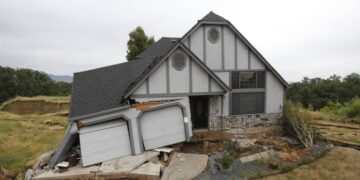


Every home is built on the expectation of stability. The foundations beneath a house are designed to distribute weight evenly and keep the structure secure for decades. However, in many properties—particularly those built on reactive or shifting soils—foundation movement can occur over time. When foundations begin to sink or settle, the effects can gradually spread throughout the home, leading to cracks in walls, uneven floors, sticking doors, and other structural concerns.

Understanding what causes foundation movement is the first step in protecting your property. In many cases, early intervention can prevent minor settling from developing into more serious structural problems.
For homeowners dealing with subsidence or foundation movement, solutions such as resin injection underpinning can stabilise affected areas and restore structural support without major excavation.
Below are the most common reasons foundations begin to sink or settle.
Natural Soil Movement
One of the primary causes of foundation settlement is the natural movement of soil beneath the home. Soil is rarely completely stable, and many types expand or contract depending on moisture levels.
Clay-heavy soils—common in many parts of Australia—are particularly reactive. When these soils absorb water, they swell and expand. During dry periods, they shrink and contract. Over time, this repeated expansion and contraction creates pressure beneath foundations, causing sections of the structure to lift or drop unevenly.
If movement becomes significant, cracks can appear in brickwork, plaster, and external walls as the structure adjusts to shifting ground conditions.
Poor Soil Compaction During Construction
The stability of a building begins long before the slab or footings are poured. If the soil beneath the foundations was not properly compacted during construction, the ground may gradually compress under the weight of the structure.
This issue is more common in newer developments where land has been recently cleared or filled. Builders sometimes need to level blocks using imported soil or fill material. If that fill is not compacted sufficiently, it can settle slowly over time, leading to uneven foundation support.
In these situations, settlement may appear years after construction, even though the home initially seemed stable.
Changes in Moisture Levels
Water plays a major role in foundation stability. When moisture levels in the soil fluctuate significantly, the ground beneath a home can shift.
Common sources of moisture-related foundation movement include:
- Prolonged drought conditions
- Heavy rainfall or flooding
- Poor drainage around the property
- Leaking plumbing or stormwater pipes
- Blocked or damaged gutters
When soil becomes overly saturated, it can soften and lose its ability to support weight. Conversely, when soil dries out dramatically, it can shrink and leave voids beneath foundations. Both scenarios create instability and may result in settlement.
Proper drainage, functional guttering, and consistent moisture management around the home can help reduce these risks.
Tree Roots Near the Property
Large trees can contribute to foundation settlement, particularly when planted too close to the home. Tree roots absorb significant amounts of moisture from surrounding soil. In dry periods, this can accelerate soil shrinkage beneath foundations.
Some species have aggressive root systems that extend well beyond the visible canopy. Over time, these roots can change the moisture balance beneath the house or disturb the soil structure supporting the foundations.
If tree-related subsidence is suspected, professional assessment is important before removing or altering trees, as sudden changes in soil moisture can sometimes worsen foundation movement.
Plumbing Leaks Beneath the House
Hidden plumbing leaks are another potential cause of foundation settlement. When water escapes from underground pipes, it can gradually saturate surrounding soil.
Over time, this excess moisture may soften the soil beneath the foundations, allowing parts of the structure to sink or shift. Because these leaks often occur out of sight, the problem can persist for long periods before it becomes obvious.
Signs of possible plumbing-related subsidence include:
- Unexpected increases in water bills
- Damp or mouldy areas indoors
- Persistent wet patches around the home
- Foundation cracks that worsen over time
Early detection and repair are critical to preventing further soil erosion beneath the structure.
Poor Drainage Around the Home
Water pooling near the perimeter of a house can slowly undermine the foundations. If stormwater does not drain away properly, the soil adjacent to footings may become saturated and unstable.
Common drainage issues include:
- Downpipes that discharge water too close to the house
- Blocked or undersized stormwater systems
- Incorrect ground grading that directs water toward the foundation
- Garden beds or landscaping trapping water near the walls
Over time, repeated water exposure weakens soil stability and increases the likelihood of settlement.
Ageing Building Materials
While soil movement is the most common cause of foundation settlement, ageing construction materials can also contribute. Over decades, older footings and foundation systems may deteriorate or lose strength.
Timber stumps may rot, concrete footings may crack, and metal supports may corrode. When these structural elements weaken, the building’s load distribution changes, potentially leading to uneven settlement.
Regular inspections can help identify these issues before they develop into major structural problems.
Warning Signs of Foundation Settlement
Many homeowners first notice foundation issues through subtle changes inside the home. While minor settling is common in most buildings, certain warning signs may indicate more significant movement.
Look for indicators such as:
- Cracks in brickwork, plaster, or ceilings
- Doors and windows that stick or no longer close properly
- Sloping or uneven floors
- Gaps between walls and ceilings
- Cracks appearing around door frames or window corners
If these symptoms appear suddenly or worsen over time, it may be wise to seek a professional structural assessment.
Addressing Foundation Settlement
Foundation settlement does not always mean major reconstruction is required. Modern stabilisation techniques allow engineers and underpinning specialists to reinforce affected areas and restore support beneath the home.
Depending on the cause and severity of movement, solutions may include soil stabilisation, improved drainage systems, or underpinning methods that strengthen the ground beneath existing foundations.
The key is early diagnosis. Addressing foundation movement promptly can prevent structural damage from spreading and reduce the overall cost of repairs.
Protecting the Long-Term Stability of Your Home
Your home’s foundations play a critical role in the structural integrity of the entire building. While some degree of natural settling is normal, excessive movement can indicate deeper issues within the soil or supporting structure.
By understanding the common causes of foundation settlement—such as soil movement, moisture changes, drainage problems, and tree roots—homeowners can take practical steps to monitor their property and address problems early.
With the right assessment and repair methods, foundation stability can often be restored, ensuring your home remains safe, secure, and structurally sound for many years to come.